
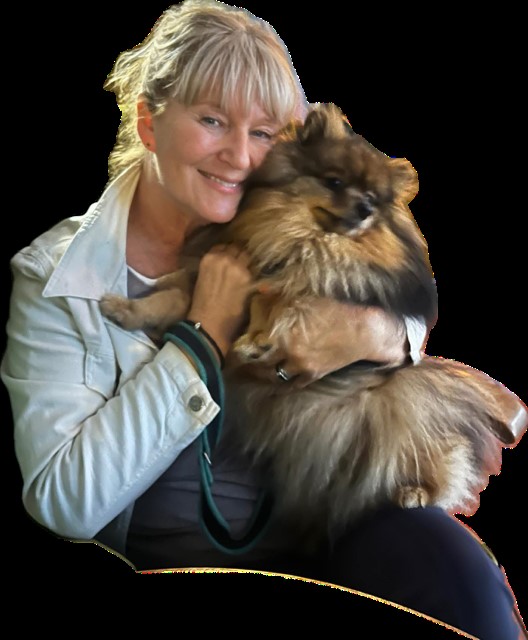
The end of summer can be a surprisingly big change for dogs. During the holidays, many dogs have enjoyed having their people around much more than usual. There may have been later mornings, extra walks, days out, visitors, children at home and plenty of opportunities for company. Then suddenly September arrives and everything changes. The house becomes quiet, everyone has somewhere to be and your dog’s familiar routine may look completely different.
For some dogs, this transition is barely noticeable. Others can struggle when their routine changes, particularly if they have become accustomed to having people around for much of the day. Behaviour such as barking, pacing, following owners from room to room, destructive behaviour, restlessness or difficulty settling can sometimes appear when the household routine changes.
Don’t wait until September to change the routine
One of the easiest things you can do is gradually introduce the new routine before you actually need it. If your dog has been getting up later, having breakfast at a different time or enjoying a long morning walk, start moving these activities towards their usual weekday timings.
There is no need to make dramatic changes. Moving things by small amounts gives your dog the opportunity to adjust without suddenly losing everything that has become familiar.
The same applies to time spent alone. If your dog has had company almost constantly during the holidays, suddenly leaving them alone for several hours can be a huge change. Start practising short periods of independence while you are still around. This might mean your dog relaxing on their bed while you work in another room, or having some quiet time while you get on with household tasks.
The aim is not to deliberately make your dog feel lonely. It is to help them learn that being apart from their people for short periods is a normal part of everyday life.
Give your dog somewhere to switch off
Another important part of the transition is sleep.
Dogs need a considerable amount of sleep and rest, but busy households can make it difficult for them to get enough uninterrupted downtime. During the summer, there may have been more visitors, trips, children around and exciting activities.
Make sure your dog has somewhere comfortable and relatively quiet where they can choose to rest without being constantly disturbed. If they already have a favourite bed or resting area, encourage everyone in the household to respect that space.
A dog that is constantly stimulated can become overtired rather than simply becoming wonderfully tired and relaxed. Rest is an important part of helping dogs regulate their behaviour.
Think beyond physical exercise
When a dog seems restless, the first thought is often, “They need more exercise.” Sometimes they do, but increasing physical exercise isn’t always the answer.
Dogs benefit enormously from using their noses, exploring their environment, chewing appropriate items, searching for food and solving simple problems. A slow sniffing walk can provide a very different type of enrichment from walking quickly for several miles.
You can also provide simple activities at home, such as scattering part of your dog’s meal around a safe area for them to find, using a suitable food toy or giving them opportunities to sniff and investigate during walks.
The goal isn’t to keep your dog entertained every minute of the day. In fact, learning to relax and do nothing is an important life skill too.
Look at behaviour as information
If your dog struggles when the household routine changes, try to avoid immediately labelling the behaviour as naughty.
A dog who suddenly starts barking when left alone may be struggling with the change in their environment. A dog who follows you everywhere may be seeking reassurance. A dog who becomes restless may be finding it difficult to settle after weeks of increased activity.
That doesn’t mean every behaviour has the same explanation, and persistent or severe changes in behaviour should always be investigated properly. But looking at what your dog might be communicating can be much more useful than simply trying to stop the behaviour.
Make September predictable
Dogs don’t need every minute of their day scheduled, but predictable patterns can help them feel secure. Regular mealtimes, walks, rest periods and opportunities for interaction can make a new routine easier to understand.
Most importantly, don’t expect your dog to instantly adapt just because the calendar says summer is over. Give them time to adjust, keep changes gradual where possible and pay attention to how they are coping.
A little preparation before the routine changes can prevent a lot of stress afterwards.
And if your dog does struggle, remember that behaviour is rarely about a dog simply being difficult. There is usually something worth understanding underneath it.
Building better partnerships with dogs starts with listening to what their behaviour is telling us.