
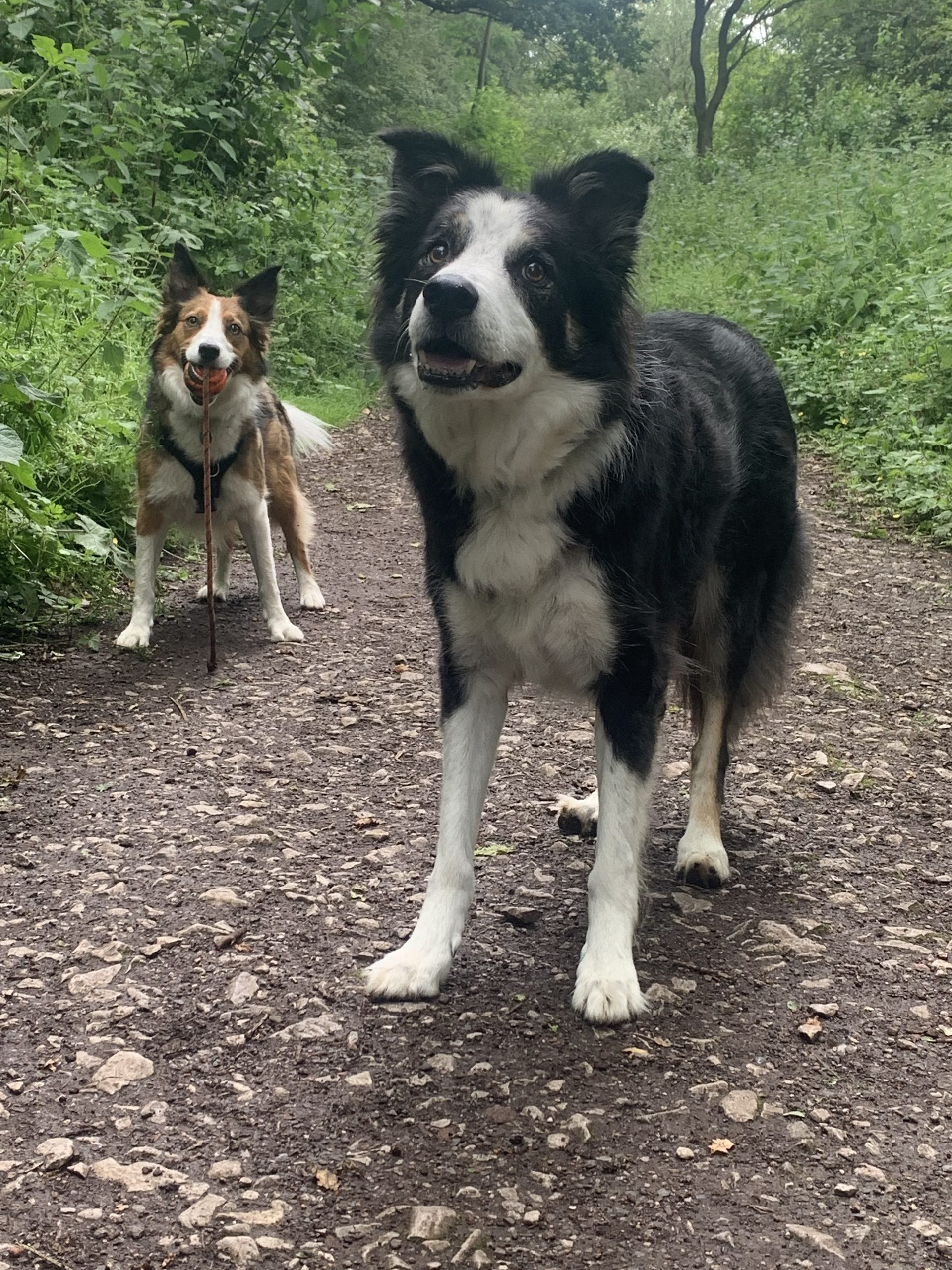
There is something lovely about autumn. The temperature starts to drop, the leaves begin to change colour and those hot summer walks become a little more comfortable. For dogs, however, the change of season can bring several changes that owners need to think about.
Autumn is not simply summer with cooler weather. The days become shorter, the ground becomes wetter, wildlife activity changes and our own routines often change too. Children go back to school, holidays come to an end and many people find themselves walking their dogs in the dark again.
Most dogs will adapt perfectly well, but spending a little time preparing for the change can help keep your dog safe, comfortable and happy.
1. Prepare for darker walks
One of the most noticeable changes is the reduction in daylight. Before long, many dog owners will be walking early in the morning or after work when it is already getting dark.
Visibility becomes particularly important. A dog wearing a dark coat can be surprisingly difficult for other people to see in low light, particularly on roads, paths or shared cycleways.
Reflective collars, harnesses, leads and coats can all help. Some owners also use lights attached to their dog’s collar or harness. Whatever you choose, make sure it is comfortable for your dog and does not interfere with their movement.
This is also a good time to check your dog’s identification details. If your dog is microchipped, make sure your contact information is current, and make sure their collar and identification tag are in good condition.
2. Give your dog’s paws some attention
Autumn usually means wetter and muddier walks. Dogs can bring a considerable amount of the outdoors home with them, but muddy paws are not the only issue.
Wet ground, grit, leaves and small pieces of debris can become trapped between the pads or toes. Some dogs can also develop irritation if their paws remain wet for long periods.
Get into the habit of checking your dog’s feet after walks. Look between the toes and around the pads for anything unusual, and dry them thoroughly when you get home.
If your dog dislikes having their feet handled, don’t wait until there is a problem before starting. Spend a little time teaching them that having their paws touched, examined and gently dried is nothing to worry about. Reward calm behaviour and build it up gradually.
3. Be careful about what your dog eats outdoors
Autumn provides dogs with an enormous selection of things to sniff, investigate and potentially eat.
Acorns, conkers, fungi and other natural objects can be harmful if swallowed. Even if something looks completely harmless, that does not necessarily mean it is safe for your dog.
If your dog is a natural scavenger, autumn is a good time to refresh your training around “leave it” and recall. It is much easier to prevent a problem than to try to retrieve something once it has already been swallowed.
If you think your dog has eaten something potentially poisonous or harmful, contact your vet promptly rather than waiting for symptoms to appear.
4. Don’t assume cooler weather means your dog needs less exercise
Some dogs actually become more energetic when the weather cools down. A dog who struggled in the summer heat may suddenly be ready for longer walks again.
However, autumn weather can be unpredictable. A dry morning can turn into a cold, wet afternoon, and some dogs may become uncomfortable if they are outside for long periods in poor weather.
Think about your individual dog rather than following a one-size-fits-all rule. Age, breed, coat type, size, fitness and health can all affect how well a dog copes with colder conditions.
On particularly wet days, remember that exercise does not have to mean walking for miles. Training, scent work, food-based enrichment and interactive games can all provide useful mental stimulation at home.
5. Keep an eye on wildlife
Autumn can be an exciting time for dogs because there are so many new smells and things to investigate.
For dogs with a strong prey or chase instinct, this can create additional challenges. If your dog is likely to chase wildlife, don’t rely on them suddenly making sensible decisions because you have called them back.
Use the changing season as an opportunity to practise recall in appropriate environments. Start somewhere with minimal distractions and gradually increase the difficulty. Reward your dog generously for coming back, particularly when they have chosen to leave something interesting behind.
If your dog’s recall is unreliable around wildlife, consider using a long line rather than giving them complete freedom in situations where they could chase or become lost.
6. Think carefully about coats and cold weather
There is often a lot of advice about whether dogs should wear coats during colder weather. The answer is not the same for every dog.
Some dogs have thick coats and cope very well with cold temperatures. Others, particularly very young, elderly, small or short-coated dogs, may become uncomfortable much more quickly.
Watch your individual dog. Shivering, reluctance to continue walking, repeatedly seeking shelter or appearing uncomfortable can all be signs that your dog is struggling with the conditions.
If you decide to use a coat, introduce it gradually and make sure it fits properly. Your dog should be able to walk, run, sit and toilet comfortably while wearing it.
7. Remember that autumn can change your dog’s routine
The change of season often coincides with changes in the household.
Children return to school, holidays finish and working patterns may change. Your dog may suddenly be left alone at different times, walked at different times or receive less attention during the day.
For some dogs, changes like these are barely noticeable. Others can find changes in routine difficult, particularly if they already struggle with being left alone or become unsettled when their normal routine changes.
Where possible, prepare your dog for changes rather than making everything different overnight. Keep important parts of their day predictable, including opportunities for exercise, rest, enrichment and interaction.
If your dog is already showing signs of distress when their routine changes, don’t simply assume they will get used to it. Look at what is causing the problem and consider how you can make the transition easier.
Enjoy the season with your dog
Autumn can be a fantastic time of year for dog owners. Cooler temperatures can make exercise more enjoyable, and the changing environment gives dogs plenty of new smells and things to explore.
The key is to notice the changes rather than simply carrying on with exactly the same routine you had during summer.
Check your dog’s paws, think about visibility, be aware of seasonal hazards, keep an eye on wildlife and consider whether your dog’s routine needs adjusting. Most importantly, pay attention to your individual dog. They will tell you a lot through their behaviour about whether they are comfortable with the changes.
A few simple preparations now can help make the transition into autumn smoother for both you and your dog.